AVEVA PI System for Oil & Gas Training Online Certification Course
Gain practical expertise in managing and analyzing real-time operational data with AVEVA PI System for Oil & Gas Training by Multisoft Systems. Explore PI System architecture, PI Data Archive, Asset Framework, PI Vision, Event Frames, analytics, and industrial data integration through oil & gas scenarios involving production assets, pipelines, equipment, and process operations.
 1K+ Reviews
Instructor-Led Training Parameters
Course Highlights
- Instructor-led Online Training
- Project Based Learning
- Certified & Experienced Trainers
- Course Completion Certificate
- Customized Learning Schedule
- Doubt-Clearing Sessions
AVEVA PI System for Oil & Gas Training Online Certification Course Course Overview
The AVEVA PI System for Oil & Gas Training by Multisoft Systems gives professionals an in-depth understanding of how the PI System collects, organizes, contextualizes, visualizes, and analyzes operational data generated across oil & gas facilities. The training introduces the architecture of the PI System and explains how information from process control systems, sensors, equipment, and other operational sources can be transformed into meaningful information for engineering and operational teams.
The course covers essential PI System components, including PI Data Archive, PI Points, Asset Framework (AF), AF Templates, Event Frames, analytics, PI Vision, data acquisition, buffering, security, and administration concepts. Participants learn how asset structures can represent facilities such as wells, separators, compressors, pumps, tanks, pipelines, and processing units while linking these assets with their corresponding operational data.
The training further connects PI System capabilities with oil & gas scenarios, including production surveillance, equipment performance monitoring, pipeline operations, process condition monitoring, downtime analysis, operational event tracking, and KPI visualization. Practical exercises help learners understand the complete information flow from field-generated data to contextualized asset information and operational dashboards.
Instructor-led Training Live Online Classes
Suitable batches for you
| Oct, 2026 | Weekdays | Mon-Fri | Enquire Now |
| Weekend | Sat-Sun | Enquire Now | |
| Nov, 2026 | Weekdays | Mon-Fri | Enquire Now |
| Weekend | Sat-Sun | Enquire Now |
Share details to upskills your team
Enquire for Self-Paced Learning
Share your details and our training advisor will connect with you regarding self-paced learning options.
AVEVA PI System for Oil & Gas Training Online Certification Course Course curriculum
Curriculum Designed by Experts
The AVEVA PI System for Oil & Gas Training by Multisoft Systems gives professionals an in-depth understanding of how the PI System collects, organizes, contextualizes, visualizes, and analyzes operational data generated across oil & gas facilities. The training introduces the architecture of the PI System and explains how information from process control systems, sensors, equipment, and other operational sources can be transformed into meaningful information for engineering and operational teams.
The course covers essential PI System components, including PI Data Archive, PI Points, Asset Framework (AF), AF Templates, Event Frames, analytics, PI Vision, data acquisition, buffering, security, and administration concepts. Participants learn how asset structures can represent facilities such as wells, separators, compressors, pumps, tanks, pipelines, and processing units while linking these assets with their corresponding operational data.
The training further connects PI System capabilities with oil & gas scenarios, including production surveillance, equipment performance monitoring, pipeline operations, process condition monitoring, downtime analysis, operational event tracking, and KPI visualization. Practical exercises help learners understand the complete information flow from field-generated data to contextualized asset information and operational dashboards.
- Understand AVEVA PI System architecture and its role in oil & gas operational data management.
- Configure and work with PI Points, tags, attributes, and time-series operational data.
- Understand data acquisition using PI interfaces, connectors, and buffering mechanisms.
- Organize equipment and process information using the PI Asset Framework (AF).
- Create reusable AF templates for wells, pumps, compressors, tanks, pipelines, and other assets.
- Configure Asset Analytics for operational calculations, KPIs, and equipment performance monitoring.
- Use Event Frames to capture and analyze shutdowns, trips, process excursions, and other operational events.
- Create interactive PI Vision displays for real-time and historical data visualization.
- Monitor production parameters, equipment conditions, and operational trends across oil & gas facilities.
- Understand data quality, security, access control, and basic PI system administration concepts.
- Troubleshoot common issues related to data collection, tag configuration, asset models, and visualization.
- Apply PI System capabilities to practical upstream, midstream, and downstream oil & gas scenarios.
Course Prerequisite
- Basic understanding of oil & gas production, processing, pipeline, or refinery operations.
- Familiarity with industrial process parameters such as pressure, temperature, flow, and level.
- Basic knowledge of instrumentation, process control, or industrial automation concepts.
- General understanding of operational data and time-series data is beneficial.
- Familiarity with DCS, SCADA, PLC, or other industrial data sources can be advantageous.
- Basic computer and networking knowledge helps in understanding PI System architecture and connectivity.
- Prior experience with the AVEVA PI System is not mandatory, as the course progresses from fundamental concepts to practical applications.
Course Target Audience
- Oil & Gas Engineers
- Process Engineers
- Production Engineers
- Instrumentation & Control Engineers
- Automation Engineers
- Operations Engineers
- Maintenance and Reliability Engineers
- Pipeline Engineers
- Asset Performance Engineers
- PI System Engineers and Administrators
- Operational Technology (OT) Professionals
- Data and Industrial Analytics Professionals
- Digital Transformation Professionals
- System Integrators and Technical Consultants
- Professionals working with upstream, midstream, or downstream operations
- Engineering graduates seeking knowledge of industrial operational data management using AVEVA PI System
Course Content
- Introduction to operational data infrastructure
- Role of real-time data in oil & gas operations
- Overview of AVEVA PI System
- PI System capabilities and terminology
- Operational Technology (OT) data fundamentals
- Time-series data concepts
- Sources of oil & gas operational data
- From field measurements to operational intelligence
- Typical PI System use cases across upstream, midstream, and downstream operations
 DOWNLOAD CURRICULUM
- Understanding PI System architecture
- Major PI System components
- PI Data Archive
- PI Asset Framework
- PI Vision
- Data acquisition layer
- Interfaces and connectors
- PI Buffer Subsystem
- PI System Management Tools
- Data flow through the PI infrastructure
- Distributed PI System considerations
- Understanding client-server communication
DOWNLOAD CURRICULUM
- Purpose of PI Data Archive
- Understanding time-series storage
- PI Points and point attributes
- Point types
- Tag naming conventions
- Engineering units
- Point source concepts
- Instrument tags
- Scan classes
- Exception reporting
- Compression concepts
- Snapshot and archived values
- Working with historical data
- Data retrieval concepts
DOWNLOAD CURRICULUM
- Creating and configuring PI Points
- Understanding essential point attributes
- Point source configuration
- Location attributes
- InstrumentTag configuration
- Scan configuration
- Exception deviation
- Compression deviation
- Compression minimum and maximum settings
- Digital states
- Timestamp handling
- Tag configuration practices for industrial environments
- Oil & gas tag organization considerations
DOWNLOAD CURRICULUM
- Understanding industrial data acquisition
- PI Interfaces overview
- PI Connectors overview
- Connecting operational data sources
- Data acquisition from control and monitoring systems
- OPC-based data acquisition concepts
- Interface node architecture
- Scan-based versus event-based collection
- Data timestamps and synchronization
- Handling communication interruptions
- Interface status monitoring
- Data acquisition troubleshooting
- Considerations for remote oilfield and pipeline assets
DOWNLOAD CURRICULUM
- Purpose of PI Buffer Subsystem
- Buffering architecture
- Data buffering during communication failures
- Store-and-forward concepts
- Maintaining data continuity
- Buffer queue concepts
- Monitoring buffering health
- Recovering data after connectivity interruptions
- Data reliability considerations for remote facilities
DOWNLOAD CURRICULUM
- Introduction to Asset Framework
- Asset-centric data organization
- AF databases
- Elements and attributes
- Element hierarchies
- Attribute configuration
- Data references
- Linking PI Points with AF Attributes
- Categories
- Units of measure
- Enumerations
- Organizing operational assets
- Building meaningful asset structures
DOWNLOAD CURRICULUM
- Designing oil & gas asset hierarchies
- Enterprise, field, facility, and equipment structures
- Modeling wells and well groups
- Production facility modeling
- Separator representation
- Pump and compressor modeling
- Tank asset structures
- Pipeline and station structures
- Processing unit representation
- Equipment attributes and operating parameters
- Standardizing asset information
- Connecting asset attributes with operational tags
DOWNLOAD CURRICULUM
- Introduction to AF templates
- Element templates
- Attribute templates
- Creating reusable equipment models
- Template inheritance concepts
- Standardizing similar assets
- Creating multiple assets from templates
- Updating template-based assets
- Naming patterns
- Consistent KPI definitions
- Template strategies for wells, pumps, compressors, tanks, and other repeating equipment
DOWNLOAD CURRICULUM
- Introduction to Asset Analytics
- Creating analyses
- Expression-based calculations
- Calculation scheduling
- Input and output attributes
- Derived operational parameters
- Conditional calculations
- Rolling calculations and aggregations
- Performance indicator calculations
- Operating limit evaluation
- Equipment efficiency calculations
- Production-related calculations
- Analysis status and troubleshooting
- Managing calculations across template-based assets
DOWNLOAD CURRICULUM
- Introduction to Event Frames
- Event-based versus continuous data analysis
- Event Frame templates
- Defining event start and end conditions
- Capturing contextual event information
- Event attributes
- Event severity and categorization
- Equipment shutdown events
- Process excursion events
- Compressor or pump trip scenarios
- Production interruption tracking
- Pipeline operating events
- Event duration analysis
- Comparing recurring operational events
DOWNLOAD CURRICULUM
- Introduction to PI Vision
- Navigating the PI Vision environment
- Creating operational displays
- Searching PI Points and AF assets
- Adding real-time values
- Trends and historical visualization
- Gauges and indicators
- Tables and graphical symbols
- Multi-state visualization
- Asset-based displays
- Using collections
- Display navigation
- Monitoring equipment operating conditions
- Creating oil & gas operational dashboards
- Production monitoring displays
- Equipment performance visualization
- Event visualization
DOWNLOAD CURRICULUM
- Understanding PI System data quality
- Identifying missing and questionable data
- Bad-value handling concepts
- Timestamp issues
- Data gaps and communication failures
- Checking point status
- Basic PI System administration concepts
- PI identities and mappings
- Authentication concepts
- Access permissions
- Data Archive security
- AF security considerations
- Managing access according to operational roles
- System health monitoring
- Backup and recovery concepts
- Common PI System troubleshooting approaches
DOWNLOAD CURRICULUM
Upstream Operations
- Well production monitoring
- Wellhead parameter visualization
- Production rate tracking
- Pressure and temperature monitoring
- Production surveillance
- Artificial lift equipment monitoring
Midstream Operations
- Pipeline operational monitoring
- Pump and compressor station monitoring
- Flow and pressure trend analysis
- Tank and terminal data visualization
- Operational event tracking
Downstream Operations
- Process unit monitoring
- Equipment condition visualization
- Operating parameter tracking
- Utility performance monitoring
- Process KPI dashboards
- Shutdown and excursion analysis
Operational Performance
- Production KPI monitoring
- Equipment availability tracking
- Downtime analysis
- Asset performance comparison
- Historical operating trend analysis
- Shift and operational reporting concepts
DOWNLOAD CURRICULUM
- Defining an oil & gas operational scenario
- Identifying data sources and operational tags
- Planning PI Point structures
- Creating representative PI points
- Designing the AF hierarchy
- Modeling facilities and equipment
- Creating reusable AF templates
- Mapping operational data to assets
- Configuring calculated attributes
- Building Asset Analytics
- Configuring operational event frames
- Creating PI Vision dashboards
- Visualizing production and equipment KPIs
- Reviewing abnormal operational events
- Validating data quality
- Applying basic access considerations
- Troubleshooting the configured solution
- End-to-end review from data acquisition to operational visualization
DOWNLOAD CURRICULUM
Request for Enquiry
Explore Course Resources
Strengthen your learning with useful resources designed to help you prepare, practice, and evaluate your understanding.

AVEVA PI System for Oil & Gas Training (MCQ) Assessment
This assessment tests understanding of course content through MCQ and short answers, analytical thinking, problem-solving abilities, and effective communication of ideas. Some Multisoft Assessment Features :
- User-friendly interface for easy navigation
- Secure login and authentication measures to protect data
- Automated scoring and grading to save time
- Time limits and countdown timers to manage duration.
AVEVA PI System for Oil & Gas Corporate Training
Employee training and development programs are essential to the success of businesses worldwide. With our best-in-class corporate trainings you can enhance employee productivity and increase efficiency of your organization. Created by global subject matter experts, we offer highest quality content that are tailored to match your company’s learning goals and budget.
Global Clients



Customized Training
Be it schedule, duration or course material, you can entirely customize the trainings depending on the learning requirements
Expert
Mentors
Be it schedule, duration or course material, you can entirely customize the trainings depending on the learning requirements
360º Learning Solution
Be it schedule, duration or course material, you can entirely customize the trainings depending on the learning requirements
Learning Assessment
Be it schedule, duration or course material, you can entirely customize the trainings depending on the learning requirements
Why AVEVA PI System for Oil & Gas Training Online Certification Course for Your Professional Growth
Strengthen your professional capabilities with practical learning, industry-relevant knowledge, and skills applicable to real-world business and technology environments.
Industry-Relevant Skills
Gain knowledge aligned with current industry practices, technologies, processes, and professional requirements.
Practical Learning
Understand concepts through practical scenarios, instructor-led discussions, exercises, and use cases.
Enhanced Professional Capability
Strengthen your ability to work confidently with relevant tools, workflows, platforms, and business processes.
Broader Career Opportunities
Add valuable capabilities to your profile and explore opportunities across relevant roles, projects, and industries.
Adapt to Changing Technologies
Stay familiar with evolving technologies, methodologies, and practices shaping modern enterprise environments.
Professional Recognition
Demonstrate your training achievement with a course completion certificate from Multisoft Systems.

 Zoom-in
Certification Training Achievements: Recognizing Professional Expertise
Multisoft Systems is the “one-top learning platform” for everyone. Get trained with certified industry experts and receive a globally-recognized training certificate. Some Multisoft Training Certificate Features :
- Globally recognized certificate
- Course ID & Course Name
- Certificate with Date of Issuance
- Name and Digital Signature of the Awardee
Trending Courses
Why Learners Choose Multisoft Systems
Compare key training features and see how Multisoft Systems focuses on structured learning, practical understanding, and learner support.
Training Features That Matter
Evaluate the learning experience across important areas before selecting a training program.
Instructor-Led Learning
Structured sessions guided by experienced trainers.
Practical Learning
Hands-on exposure that supports concept understanding.
Flexible Learning Options
Learning formats designed around different schedules.
Learner Support
Assistance throughout the training journey.
Learning Resources
Resources that support revision and continued learning.
Training Certificate
Recognition after successful course completion.
Choose Training That Goes Beyond Theory
Multisoft Systems combines guided learning, practical exposure, flexible delivery, learner support, and structured resources to create a more complete training experience.
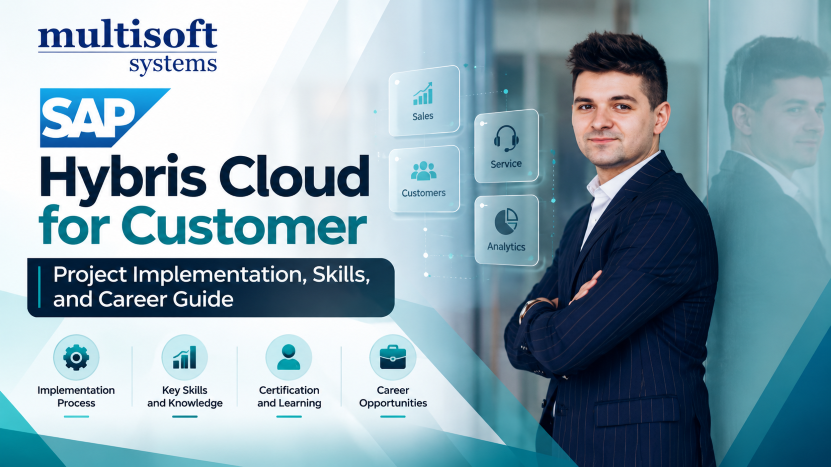
SAP Hybris Cloud for Customer: Project Implementation, Skills, and Career Guide
Implementing a customer relationship management platform involves much more than... Read Article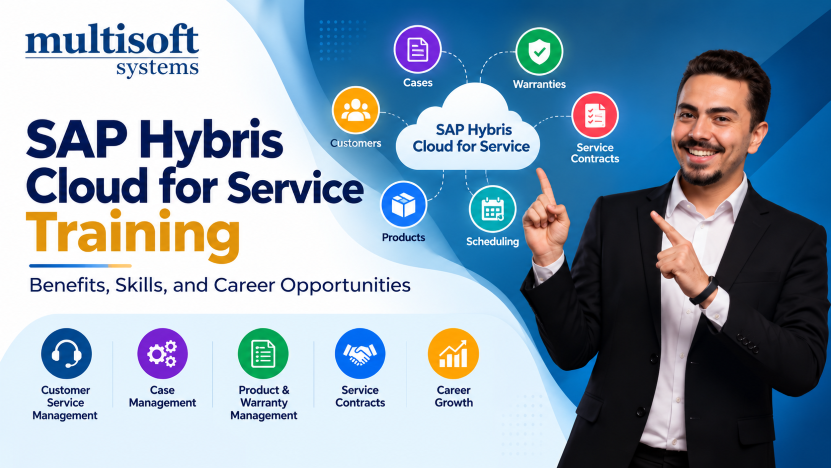
SAP Hybris Cloud for Service Training: Benefits, Skills, and Career Opportunities
Customer service has become an important part of modern business... Read Article
IBM AS400 Developer Training: Build Practical Skills for Enterprise Application Development
AS400, now associated with the IBM i operating environment on... Read Article
SAP Hybris Billing Explained: Processes, Skills, and Career Opportunities
Businesses are no longer limited to simple one-time sales. Subscription... Read ArticleAVEVA PI System for Oil & Gas Training Online Certification Course Trainer Profile
19+ Years Experienced
Our AVEVA PI System for Oil & Gas Training Corporate & Certification Program trainers bring 13+ years of proven industry expertise, delivering practical insights aligned with real project environments.
Trained 3950+ Professionals
Our expert trainers have successfully trained 3350+ professionals through structured, real-time training programs designed for industry readiness and career growth.
Certified Experts & Real-Time Project Learning
Build strong practical skills through live project-based training sessions led by certified industry experts with real-world experience.
Hands-on Learning Approach
Gain practical exposure through real-time scenarios, industry case studies, and hands-on assignments that simulate actual project challenges.
Certification Training Guidance
Receive expert support to prepare effectively, practice strategically, and confidently achieve globally recognized certification success.
Customized Training Delivery
Flexible training approach tailored to individual learning goals, skill levels, and evolving industry requirements for maximum effectiveness.
AVEVA PI System for Oil & Gas Training Online Certification Course FAQ's
The AVEVA PI System for Oil & Gas Training focuses on collecting, organizing, contextualizing, analyzing, and visualizing operational data generated across oil & gas assets and facilities using PI System technologies.
What Attendees are Saying
Our clients love working with us! They appreciate our expertise, excellent communication, and exceptional results. Trustworthy partners for business success.
Share Feedback